When corrosion or heat damage means a panel needs attention
An electrical panel that shows signs of corrosion or heat damage is not something to ignore. These conditions can compromise the safety and reliability of your home's or business's electrical system. The direct answer: a panel showing visible corrosion, rust, or signs of overheating (such as discolored bus bars or melted insulation) should be assessed by a qualified electrician. In many cases, panel replacement is the only safe solution. This article explains why these issues arise, what to look for, and when to call a professional.
What corrosion does to an electrical panel
Corrosion is a common problem in panels installed in damp or humid environments. Basements, garages, and outdoor enclosures are especially vulnerable. Moisture can enter the panel enclosure through cracks, unsealed conduit entries, or condensation. Over time, this moisture causes rust on metal components like the bus bars, breaker terminals, and the enclosure itself.
Corrosion is not just a cosmetic issue. It creates a resistive layer on contact surfaces. When electricity flows through a corroded connection, resistance generates heat. That heat accelerates further corrosion and can lead to arcing or fire. A service panel with rusted bus bars or corroded breaker contacts cannot make reliable, low-resistance connections. This increases the risk of nuisance tripping, flickering lights, or worse.
Signs of corrosion include a greenish or white powdery residue on copper or aluminum parts, flaking rust on steel components, and any visible pitting on metal surfaces. If you open your panel cover and see these signs, the panel needs attention. Do not touch any internal components. Call an electrician for an assessment.
Heat damage and its causes
Heat damage is another serious red flag. It can result from a loose connection, an overloaded circuit, or a failing breaker. When a connection is not tight, the electrical current arcs or creates high resistance at that point. The heat generated can melt wire insulation, discolor metal, and even char the panel's interior.
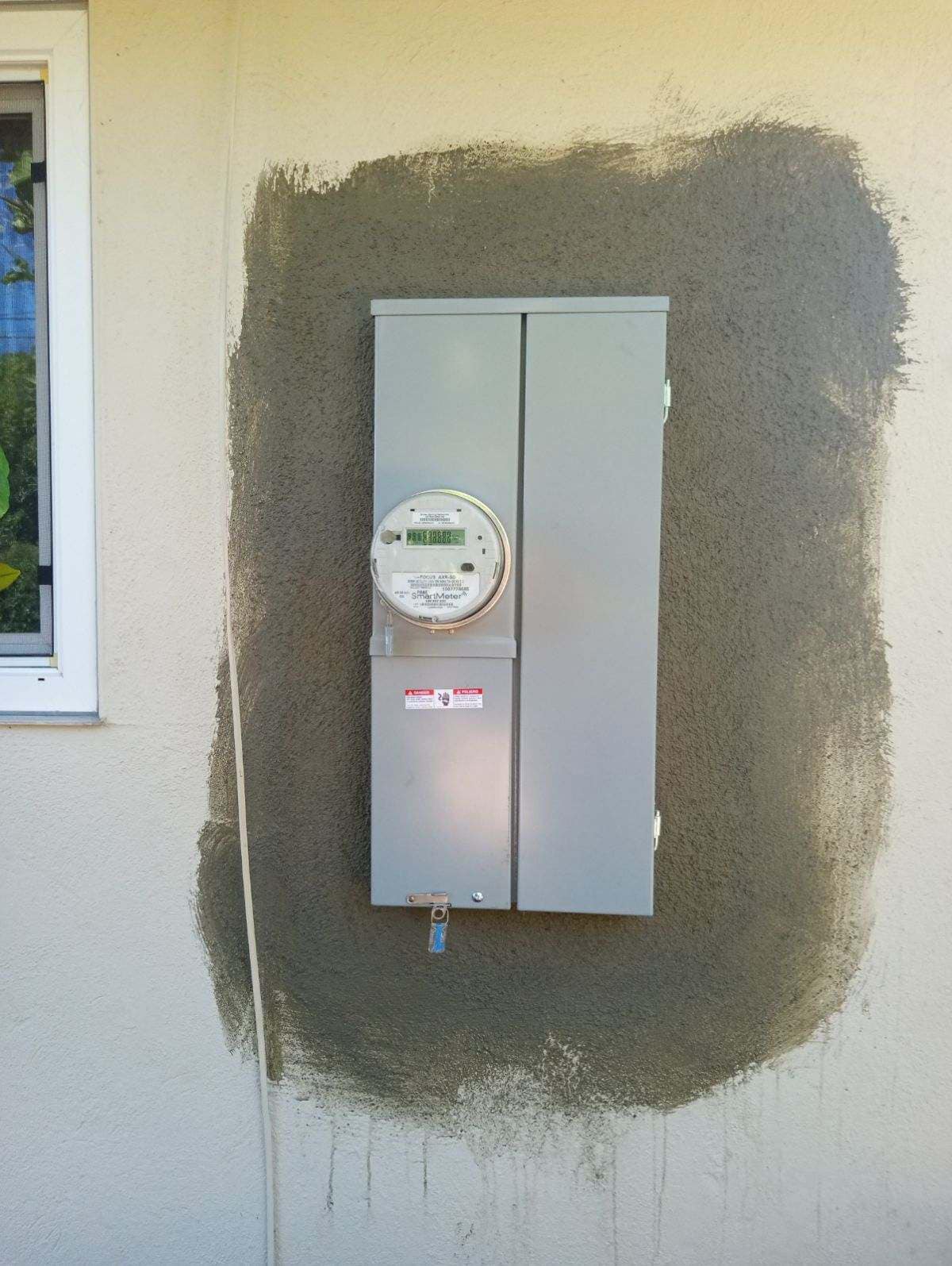
Common signs of heat damage include discoloration (brown or black marks) around breaker terminals or on the bus bar, a smell of burnt plastic or metal, and breakers that feel hot to the touch. If you see any of these, the panel should be inspected. A single overheated breaker might be replaced, but if the bus bar or panel interior shows heat damage, the entire panel may need replacement.
Heat damage often occurs because the panel's electrical capacity has been exceeded. When too many loads are added to a panel without upgrading its capacity, breakers can overheat. This is especially common in older homes where original panels were sized for fewer appliances. A modern kitchen, home office, or workshop can push an old panel past its safe limit.
What a professional assessment involves
A qualified electrician will first perform a visual inspection of the panel interior. They look for corrosion, heat damage, and any signs of moisture ingress. They also check the condition of the breakers, the bus bar, and the main service disconnect. If corrosion or heat damage is found, the electrician may recommend a panel replacement if the damage is extensive or if the panel is obsolete.
Sometimes, a panel can be repaired by replacing individual breakers or cleaning minor corrosion. But if the bus bar is pitted or the enclosure has rusted through, replacement is the only safe option. The electrician will also evaluate the panel's capacity against the current electrical load of the building. If the panel is undersized, an upgrade to a larger panel is necessary.
For properties in Santa Clara and nearby Bay Area communities, Wooding Electric provides electrical panel assessments and replacements. They can determine whether a panel is safe to continue using or needs to be replaced. Their work ensures that the electrical system meets current safety standards and capacity needs.
When to call for a panel replacement
You should call for a panel replacement if any of the following apply:

- Visible rust or corrosion on the bus bar, breaker terminals, or enclosure interior
- Signs of overheating such as discolored metal, melted insulation, or a burnt smell
- Breakers that trip frequently or feel hot to the touch
- The panel is an older model (such as a fuse box or obsolete breaker panel) that cannot support modern electrical loads
- You are adding major appliances or a home addition that increases electrical demand
Each of these conditions can be a sign that the panel is no longer safe or adequate. A qualified electrician can confirm the diagnosis and recommend the right solution.
Corrosion and heat damage are not always obvious
Sometimes, the damage is hidden behind the panel cover or inside breakers. That is why a professional inspection is valuable. An electrician uses tools like thermal imaging cameras to detect hot spots that are not visible to the naked eye. They can also measure voltage drop across connections to find high-resistance joints. If you suspect a problem, do not wait. A small issue can become a major hazard over time.
What to expect during a panel replacement
When a panel is replaced, the electrician will disconnect the old panel, install a new one with adequate capacity, and reconnect all circuits. This work requires shutting off power to the building for several hours. The electrician will coordinate with you to minimize disruption. After installation, they test every circuit to ensure proper operation.
The new panel will have a higher capacity, often expressed in amperes (amps). For a typical home, a 100-amp or 200-amp panel is common depending on the size and electrical load. The electrician will size the new panel based on your current needs and future plans. They also ensure the panel meets current electrical codes, which may require additional safety features like arc-fault circuit interrupters (AFCIs) or ground-fault circuit interrupters (GFCIs).
Preventing future corrosion and heat damage
Once a new panel is installed, you can take steps to protect it. Keep the area around the panel dry. If the panel is in a basement or garage, consider a dehumidifier. Ensure that the panel enclosure is sealed properly to prevent moisture entry. Have an electrician inspect the panel periodically, especially if you notice any changes in performance.
Heat damage is often preventable by not overloading circuits. Know the capacity of your panel and avoid plugging too many high-wattage devices into a single circuit. If breakers trip frequently, have an electrician check the load balance. Upgrading to a panel with more capacity can prevent overheating when you add new appliances.
Final note
Corrosion and heat damage are serious issues that should not be ignored. They can lead to electrical failures, fires, and costly repairs. If you see any signs of these problems, have a professional assess the panel. A timely replacement can protect your property and give you peace of mind. For those in the Santa Clara area, Wooding Electric offers panel assessments and replacements to keep your electrical system safe and reliable.